Upcoming Training Sessions

Making Music Matter: Social Justice, Decolonization, and Culturally-Relevant Arts Education Practices

Wednesday, April 29th at 6:30pm ET / 3:30pm PT

In this session, expert music educator Jessica Lawdan will help educators and families learn how to infuse social justice into art. Learn how art connects to social justice and how to start dismantling systems of oppression within arts education. Walk away with specific, kid-friendly projects and lessons you can use to approach the social justice through the arts!

Register Now

Building Inclusive Math Classrooms: Bringing Justice to Math Learning

Thursday, May 7th at 6pm ET / 3pm PT

In this session, expert educator and DEI leader Rachel Addison teaches educators and families how to integrate justice-based principles into math. We will cover the small changes that make a big impact, how to elevate student voice in the math classroom, and how to bring justice into everyday math concepts. Walk away with tangible ideas for how to integrate diversity, equity, and inclusion into math learning at home or at school!

Register Now

Watch a Replay

Check out recordings from our past training sessions
From Conflict to Connection: Responding to Hurtful Language in Real Time


In this session, expert educator-activist Gabby Vélez helps educators and caregivers turn everyday moments of biased, hurtful, or unjust language into teachable moments. We explore how to respond to these situations with care, curiosity, and historical context, and how to transform discomfort into dialogue. Learn a simple framework for guiding kids through reflection and action: identifying the issue of what was said, uncovering its roots, and connecting it to community and justice. Walk away with adaptable strategies you can tailor to your own context with your learners.

Watch the replay now

The Power of Our Words: Inclusive Language Practices and Transforming Hate into Joy


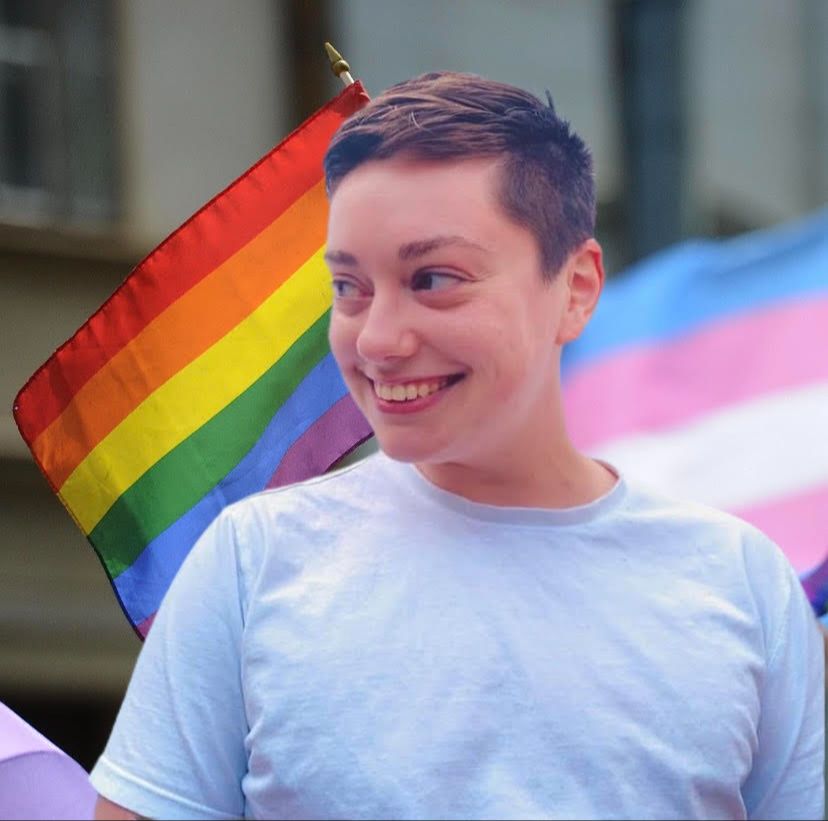
In this workshop, educator-activist SK Smigiel leads us through how inclusive and intentional language can shift culture in our schools and homes to help every child feel seen and safe to be themselves. Leave with concrete tools, language swaps, and ready-to-use practices that center on belonging and justice.

Watch the replay now
Breaking the Chains: A Liberatory Framework for Curriculum Adaptations


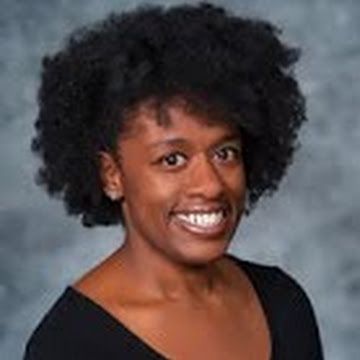
In this session, expert education activist Tatisha McKay helps educators and caregivers identify and leverage various instructional techniques to infuse justice into everyday classroom and household practices. We learn about the ways joy, equity, culturally sustaining teaching practices and cultural competence, and socio-political consciousness can be utilized or taught to ensure that students are having a justice-oriented educational experience. There is some singing, real life examples, and space to reflect. Educators and families walk away with actionable strategies they can use today to ensure that justice is at the center of their practice!

Watch the replay now

Healthy Schools, Thriving Students: How P.L.A.Y. Builds Cultures of Belonging


In this session, Shannon Milliken, Founder and Executive Director of The P.L.A.Y. Education Corporation, invites educators, leaders, and families to rethink school culture through health, inclusivity, and belonging. We explore how strong school health practices can support systems-level change and help students learn and thrive as they are. Participants learn how intentional policies and programs can help educators better understand students’ contexts, reduce barriers to learning, and create environments where children feel safe showing up as their full selves.

Watch the replay now

Climate Literacy and Liberatory K-12 Education


In this session, Brittany Jefferson, Founder and CEO of EJ EDU, invites educators, leaders, and families to rethink climate literacy as an essential and already-present part of K-12 instruction. We explore how climate literacy is embedded within education, and how educators can bring it to life through an environmental justice lens that centers equity, community, and real-world relevance. Participants learn how the 17 Principles of Environmental Justice connect to abolitionist approaches in education, and how building strong content knowledge supports both reading comprehension and climate understanding. Educators and families walk away with clear, actionable strategies and tools to implement with kids. 

Watch the replay now